
Blog
 Jun25
Jun25
Victoria Solar Rebate Changes from 1 July 2026: What Homeowners Need to Know
If you’ve been thinking about installing solar in Victoria, the new financial year brings some important changes.
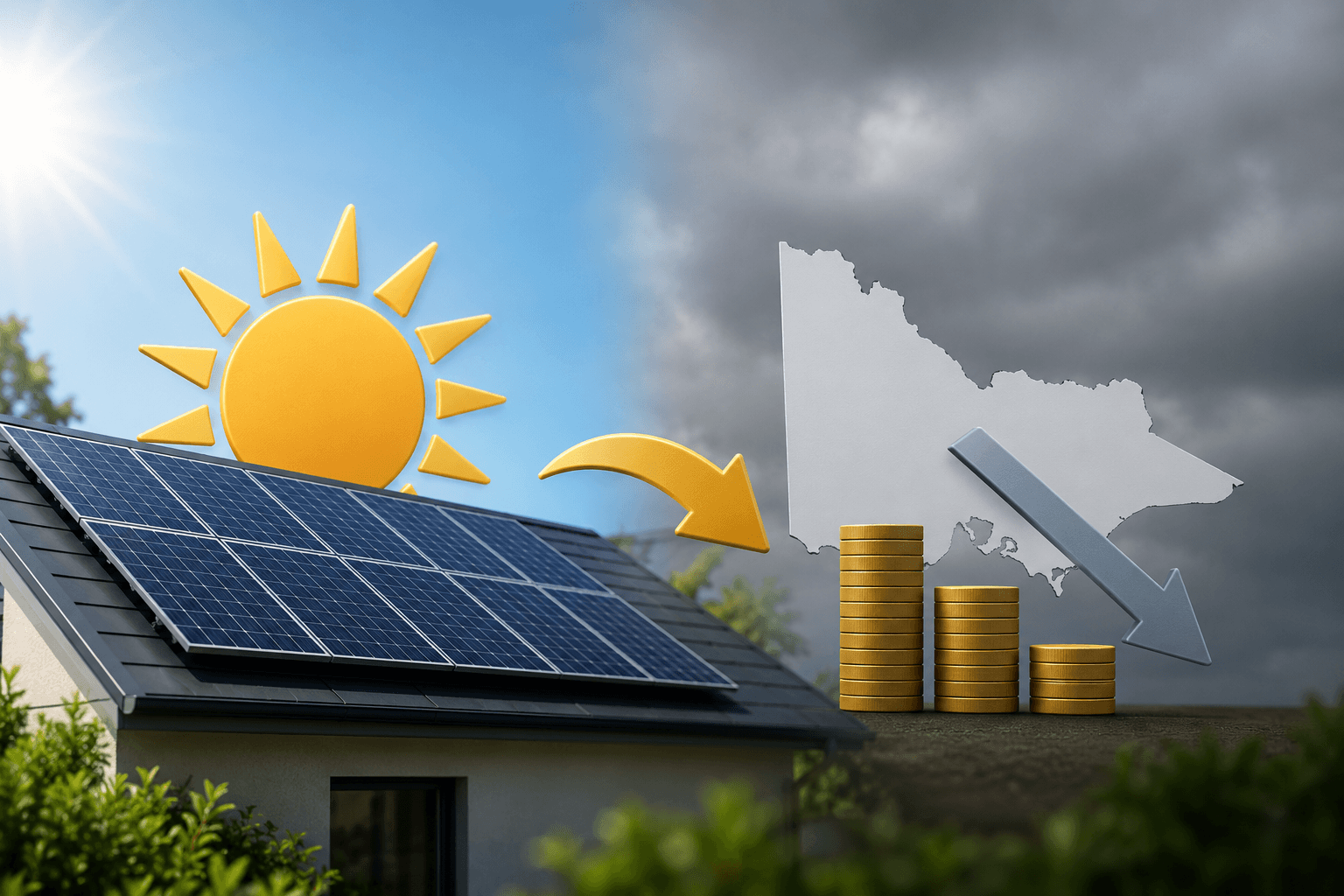
From 1 July 2026, the Victorian Government is tightening eligibility rules for the Solar Homes Program. While the rebates themselves are staying the same, fewer households will qualify under the updated income limits.
Here’s what’s changing, what stays the same, and what Victorian homeowners should know before installing solar after 1 July.
The Biggest Change: Lower Income Eligibility Cap
The most significant update is the reduction in the household income threshold for Solar Victoria rebates.
Currently, households with a combined taxable income of up to $210,000 can apply for solar rebates under the Solar Homes Program.
From 1 July 2026, this cap will reduce to $150,000.
This applies to:
- Solar panel (PV) rebates
- Solar panel rebates for rental properties
- Hot water rebates
According to Solar Panels Victoria, the change is designed to target support toward lower and middle-income households most affected by cost-of-living pressures.
Rebate Amounts Are Still Strong in Victoria
Despite the tighter eligibility rules, rebate values themselves are staying highly competitive.
Eligible Victorian households can still receive:
- Up to $1,400 rebate for solar panels
- Optional interest-free loan matching the rebate amount
- Up to $1,400 for eligible locally manufactured hot water systems
- Up to $1,000 for other approved hot water systems
Combined with federal STC incentives, these rebates can significantly reduce upfront installation costs. This means the financial support remains strong for many households across Victoria that still qualify after 1 July.
Why Feed-In Tariffs Matter More Than Ever
One major shift affecting Victorian solar owners is the continued reduction in feed-in tariffs.
In simple terms, households are now receiving less money for exporting excess solar energy back to the grid.
This means modern solar system design is becoming more important than simply installing the largest system possible.
A properly designed system should focus on:
- Maximising daytime self-consumption
- Matching household energy usage patterns
- Future battery compatibility
- EV charging readiness
- Electrification planning
At Sunburn Solar, we help homeowners choose systems based on actual usage habits rather than simply focusing on panel size. It helps improve long-term ROI as deed-in tariffs continue to charge.
Battery Storage Is Becoming More Important
Although Victoria’s battery loan scheme has now closed, battery demand continues to rise as electricity prices increase and feed-in tariffs fall.
More Victorian households are now exploring:
- Solar batteries
- Virtual power plant programs
- Smart energy management systems
- All-electric home upgrades
Battery-ready solar systems are becoming increasingly valuable for homeowners planning long-term energy savings.
New Rules for Solar Installers and Retailers
From 1 July 2026, Solar Victoria is also introducing stricter compliance requirements for businesses participating in the Solar Homes Program.
The updates include:
- Stronger cyber security requirements for smart energy devices
- Additional workforce and apprentice supervision requirements
- Updated warranty expectations for retailers and installers
These changes are intended to improve installation quality, consumer protection, and long-term system reliability.
More Support for Apartments and Electrification
Victoria is continuing to push broader home electrification initiatives.
Some additional updates include:
Solar for Apartments Extended
The Solar for Apartments program has been extended until 30 June 2027, helping apartment owners, townhouses, and multi-unit developments access solar incentives.
Eligible households may receive rebates of up to $2,800 per apartment.
All-Electric Homes Coming in 2027
Victoria has also confirmed upcoming electrification standards:
- From January 2027, new homes must be built all-electric
- From March 2027, gas hot water systems reaching end-of-life in existing homes must be replaced with efficient electric alternatives such as heat pumps.
This signals a long-term shift toward solar-powered, all-electric homes across the state.
Should You Install Solar Before 1 July 2026?
For households earning between $150,000 and $210,000 combined income, acting before 30 June 2026 could make a major financial difference.
Applications submitted after that date will be assessed under the new lower income cap.
Even for households already below the new threshold, current conditions still strongly favour solar because:
- Electricity prices remain high
- Federal incentives are still available
- Solar payback periods remain attractive
- Long-term savings potential remains strong
Working with an experienced local installer can also help in making sure that the system is properly sized for your home, future energy needs, and rebate eligibility requirements.
Final Thoughts
Victoria’s solar rebates are not disappearing in 2026, but eligibility is becoming more selective.
For many households, this financial year may represent one of the best remaining opportunities to maximise available incentives before stricter rules apply.
As energy prices continue rising and Victoria pushes toward electrification, investing in the right solar system now can help homeowners reduce long-term costs while preparing for the future of energy.
To understand your eligibility, potential savings, and the right system for your property, homeowners can explore options with Sunburn Solar before the new rules begin.
© 2026 sunburnsolar.com.au. All rights reserved. - Restructuring Practitioner Appointed
Powered by: